
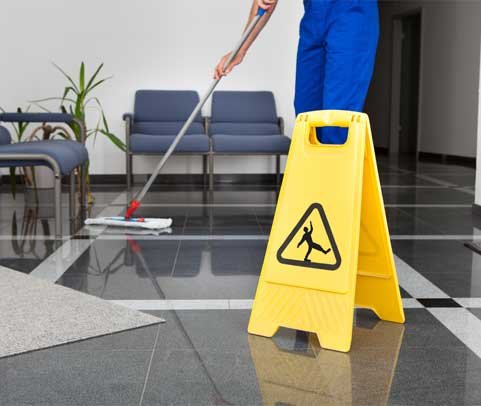
A clean office has to work around people, equipment and opening hours. Gemz Cleaning helps Abu Dhabi businesses set a practical cleaning scope for the areas staff and visitors use every day.
Why office cleaning needs a proper brief
An office is not just a larger home. Cleaning has to happen around staff, computers, paperwork, meeting schedules, visitors and the way different departments use the building. A small office may need quiet early-morning support, while a larger workplace may require a defined sequence across workstations, kitchens, washrooms and shared rooms. The cleaning plan should protect the working day instead of interrupting it.
The right scope also depends on the business. A client-facing reception area creates a different first impression from a back-office workspace. A kitchen used by twenty people will need a different routine from a small staff pantry. Clinics, studios, retail back rooms and professional offices can also have their own surface, access and hygiene considerations. Explain how the space operates and the team can help organise the cleaning around that reality.
Areas that deserve consistent attention
Workstations and shared desks collect dust, crumbs, fingerprints and the residue of everyday use. Meeting rooms often need tables, chairs, screenside surfaces and floors refreshed between busy periods. Reception and entrance areas experience the most movement, especially when dust is brought in from outside. Kitchens and washrooms need a repeatable routine because odours, water marks and high-touch surfaces are noticed quickly by staff and visitors.
The brief should distinguish between what needs attention every visit and what can be handled periodically. Floors, bins, washrooms and kitchen surfaces may sit in the regular routine, while internal glass, high ledges, upholstery and detailed fixture cleaning can be planned less frequently. That division keeps the service useful without turning every visit into an unrealistic list.
Working around your business
Tell us when the office is open, how cleaners can enter, whether there are security procedures and which spaces contain confidential material. If the team will work while employees are present, identify quiet zones and meeting periods. If cleaning happens after closing, explain keys, alarms, lifts, parking and the person responsible for access.
A clear handover process helps on both sides. The person responsible for the workplace can identify changes, special events or areas that need extra attention, while the cleaning team can flag access problems or surfaces that require a different approach. For businesses, this communication is part of the service, not an extra layer of administration.
Preparing an office cleaning enquiry
Useful details include the approximate size or number of rooms, floors, washrooms, kitchen areas, frequency you are considering and any specialist needs. You do not need to provide a perfect measurement. A short description and a few photographs can help the team understand the layout before discussing availability.
If the office is moving, opening or returning after construction, say so. A normal maintenance visit may not be suitable for fine building dust, adhesive residue or a space that has not yet been furnished. That is a different cleaning brief and should be planned accordingly.