
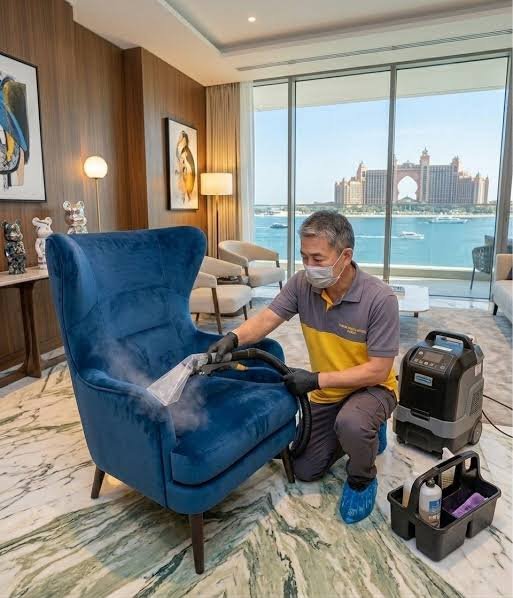
Soft furnishings can be expensive to replace and easy to damage with the wrong treatment. Gemz Cleaning helps homeowners, landlords and businesses arrange upholstery cleaning around the fabric, construction and way the item is used.
More than a sofa service
Upholstery includes many pieces that quietly collect dust and contact residue: dining chairs, armchairs, office seating, headboards, ottomans, benches and mattresses. Their shapes and materials vary, which affects how they should be cleaned. A dining chair may have food marks around the seat, a headboard may carry oils near the top, and a mattress may need careful moisture management because it is used close to the body.
The aim is to improve cleanliness and presentation without treating every item as if it were the same. Tell us what the item is, where it is used and what has happened to it. The reason for the clean—general refresh, a mark, an odour, a move or high traffic—helps shape a more useful response.
Material and construction matter
Upholstery may include woven fabric, velvet, linen, leather, synthetic blends, foam, springs, wood frames and stitched panels. Some items have removable covers; others cannot be separated from the structure. Labels, dyes, seams and the condition of the backing should be considered before moisture or product is introduced.
Mention fading, loose stitching, peeling, previous water marks, repaired areas and any concern about colour transfer. If the item is valuable or sentimental, say so. Caution is part of professional cleaning: the most aggressive treatment is not automatically the most suitable one.
Common reasons to arrange upholstery cleaning
A family may want dining chairs refreshed after years of meals and everyday use. A landlord may be preparing a furnished apartment for a new occupant. An office may need reception seating to look presentable, while a hotel-style headboard or mattress may need attention after a change of guest. These situations have different priorities even when the item is technically “upholstery”.
If you are arranging several pieces, list them separately and identify the most important items. The team can then understand whether the work is a small focused visit or a wider soft-furnishing brief. Photographs are useful for spotting size, fabric and visible condition before the appointment.
Preparing the room and caring for the result
Clear personal items, cables, ornaments and fragile objects from the furniture. Make access easy and mention anything that should not be moved. After the clean, allow the item to dry fully, keep pets and children away from damp fabric and follow the team’s guidance about ventilation and cushion placement.
Regular low-suction vacuuming, prompt blotting of spills and keeping dusty outdoor items away from upholstered furniture can reduce future build-up. Avoid rubbing a fresh spill aggressively or applying a household product without checking the fabric, as that can spread the mark or create a treatment problem.